? Quick Tips from Prof. Dr. Göçer Decades ago, the primary treatment for a bone tumor often involved…
More Information
? Quick Facts from Prof. Dr. Göçer A cyst or benign tumor forming in the bone can often…
More Information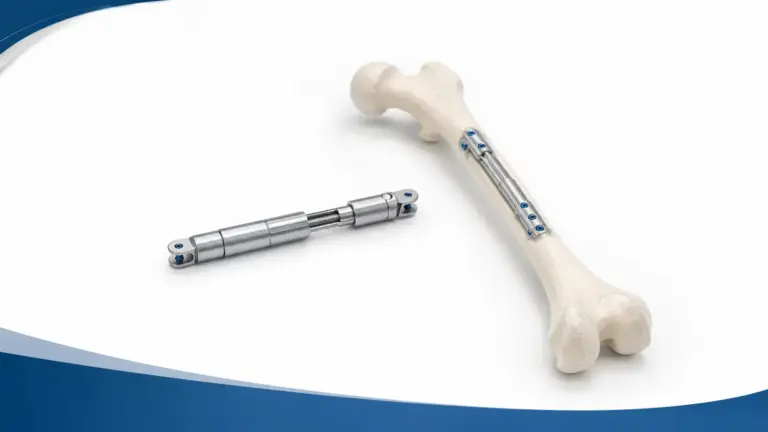
? Quick Facts from Prof. Dr. Göçer A bone tumor in a growing child requires a specialized solution…
More Information
? Quick Tips from Prof. Dr. Göçer When a bone tumor is removed with wide margins, it leaves…
More Information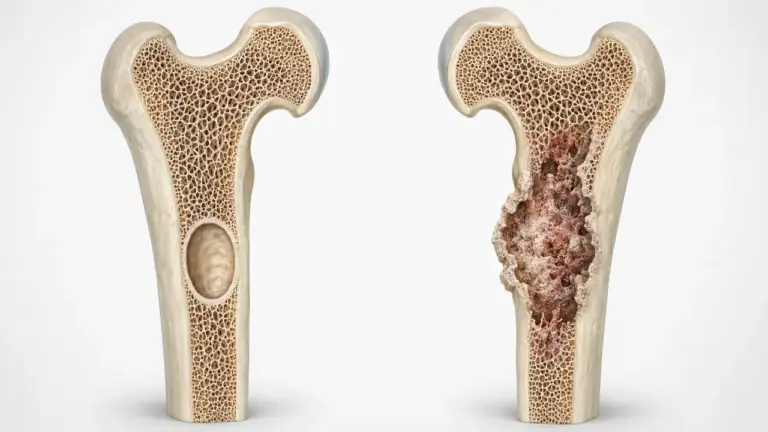
🦴 Quick Facts from Prof. Dr. Göçer Not every mass that forms in the bone is cancer. A…
More Information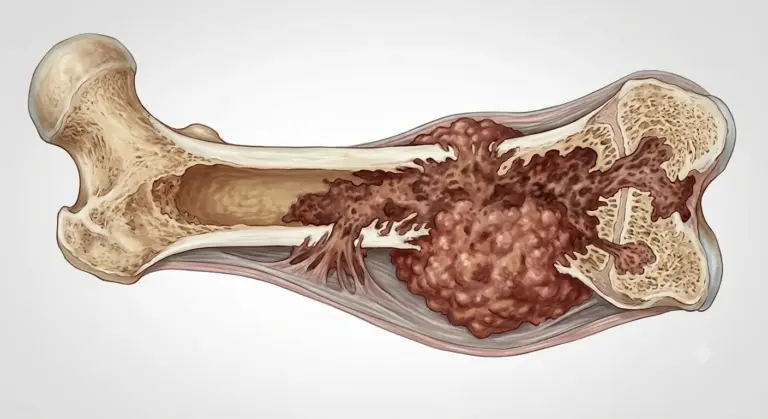
🦴 Quick Facts from Prof. Dr. Göçer Malignant bone tumors are rare; primary cancers originating in bone account…
More Information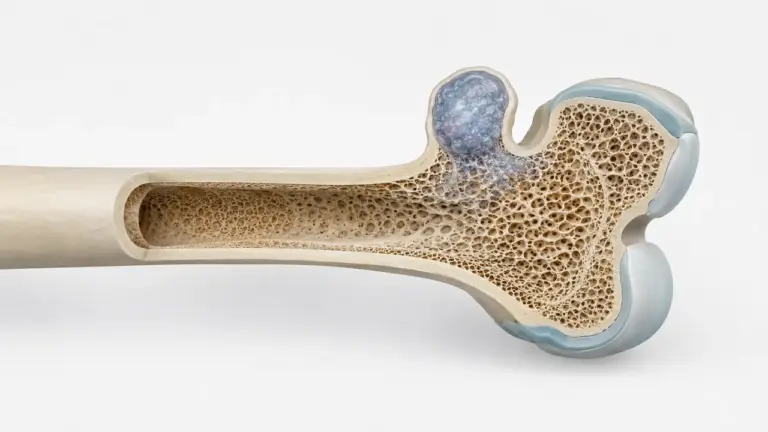
🦴 Quick Facts from Prof. Dr. Göçer Benign bone tumors are much more common than malignant ones and…
More Information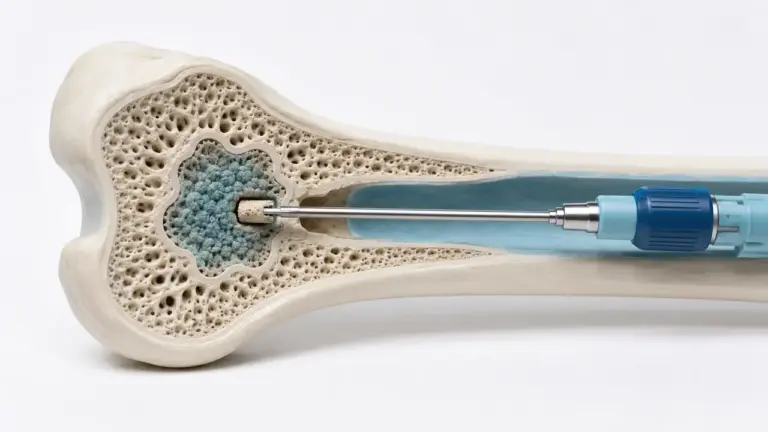
🦴 Quick Facts from Prof. Dr. Göçer A biopsy is the only reliable method for determining whether a…
More Information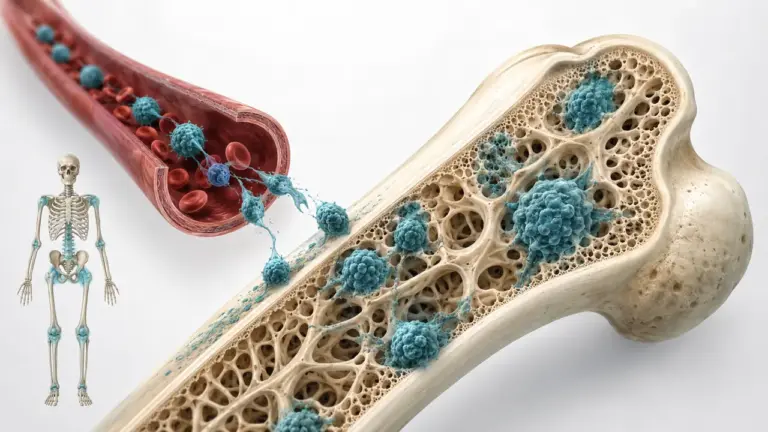
🦴 Quick Facts from Prof. Dr. Göçer Bone metastasis occurs when cancer from another organ spreads to the…
More Information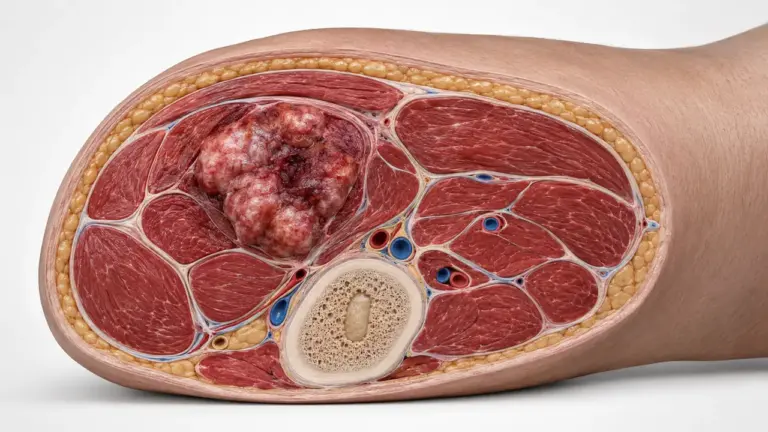
🦴 Quick Facts from Prof. Dr. Göçer Not every mass detected in the body is cancer, but some…
More Information
🦴 Quick Facts from Prof. Dr. Göçer Metastatic bone tumors are much more common than cancers originating in…
More InformationOrthopedic oncology is a specialist field that deals with the diagnosis and surgical treatment of bone and soft tissue tumors and requires advanced experience. In 2012–2013, Prof. Dr. Hasan Göçer completed a fellowship in orthopedic tumor surgery with Prof. Dr. Harzem Özger and has worked in this field throughout his career. Because these tumors are rare, having diagnosis and treatment planned by an experienced team directly affects the outcome.
Most masses found in bone or soft tissue are benign. Even so, a biopsy is the only reliable way to confirm the nature of a mass. Because the site and method of the biopsy affect any future surgery, it should be planned by the surgeon who will treat the tumor. Imaging and biopsy results are reviewed together with radiology, pathology and oncology specialists in a multidisciplinary setting.
Some benign bone tumors only need monitoring, while others are treated with curettage and bone grafting. In malignant bone tumors (sarcomas) and soft tissue sarcomas, removing the tumor with safe margins is essential. Treatment is often planned together with chemotherapy and radiotherapy.
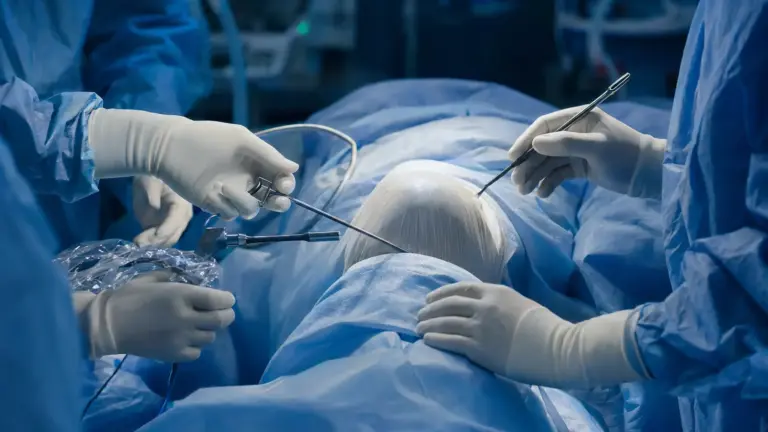
Today, most patients with a bone tumor can be treated without amputating the arm or leg. In limb-sparing surgery, the bone defect left after tumor removal is reconstructed with a tumor prosthesis (megaprosthesis) or bone grafts. In growing children, expandable prostheses can be used to prevent a difference in leg length.
Cancer spreading to the bone from another organ is the most common cause of malignant bone tumors in adults. In bone metastasis and the pathological fractures it can cause, the aim is to control pain, prevent or stabilize the fracture and preserve the patient's mobility. In spinal tumors, pain control and protection of the nervous system are likewise the priority.
At the first consultation, existing X-rays, MRI and CT scans and any biopsy results are reviewed, and missing tests are planned. The treatment decision is made together with the patient, taking into account their general health and the features of the tumor. You can find detailed information on each topic in the headings on this page and book an appointment for a second opinion or an evaluation.