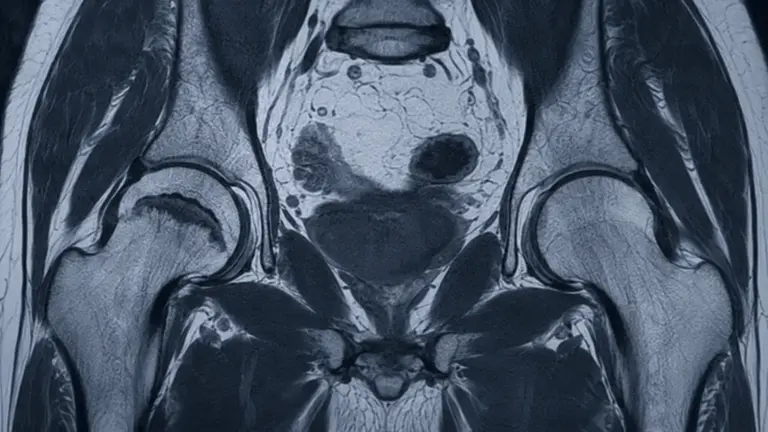
? Quick Facts from Prof. Dr. Göçer Avascular necrosis is the death of bone cells caused by an…
More Information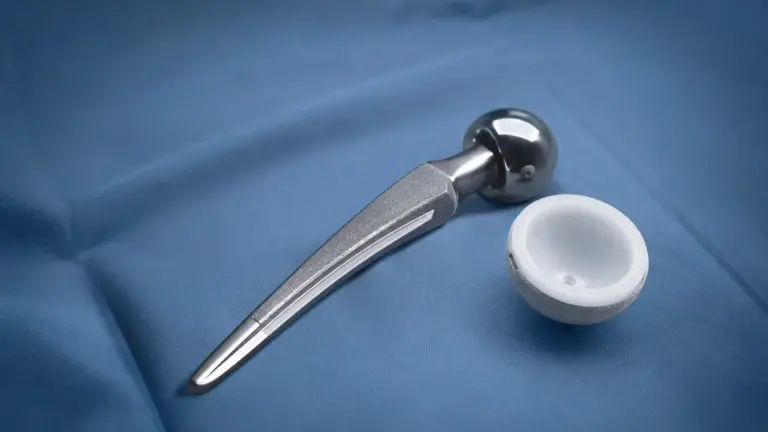
? Quick Facts from Prof. Dr. Göçer When the cartilage of the hip joint is irreversibly worn away,…
More Information
? Quick Facts from Prof. Dr. Göçer A congenitally shallow or malpositioned hip joint wears down prematurely over…
More Information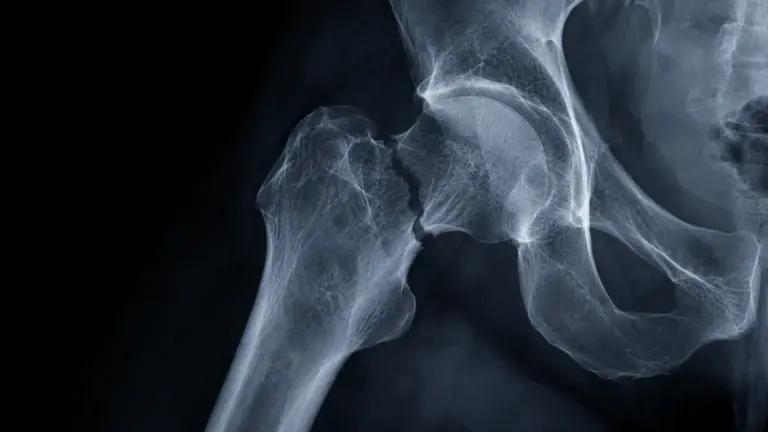
? Quick Tips from Prof. Dr. Göçer Even a simple fall in older adults can result in a…
More Information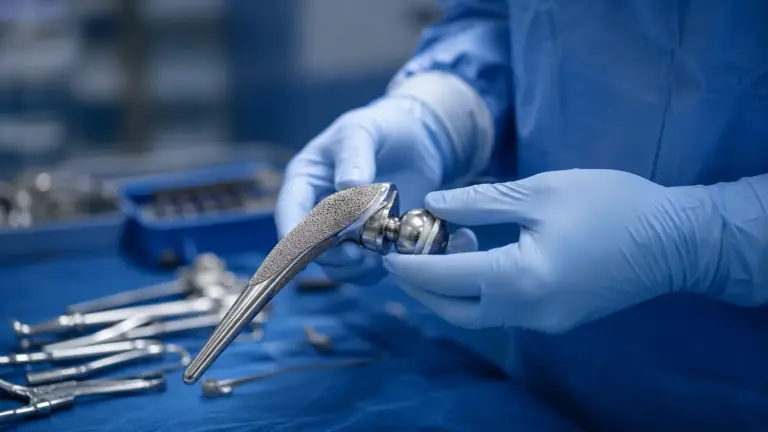
? Quick Tips from Prof. Dr. Göçer A hip prosthesis implanted years ago may loosen, wear down, or…
More Information
? Quick Facts from Prof. Dr. Göçer Hip arthroscopy surgery takes an average of 1–2 hours. The procedure…
More Information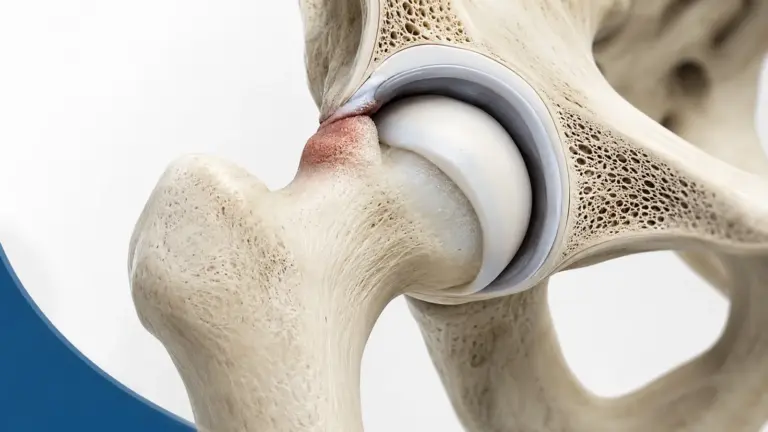
? Quick Facts from Prof. Dr. Göçer Hip impingement syndrome results from abnormal contact between the femoral head…
More Information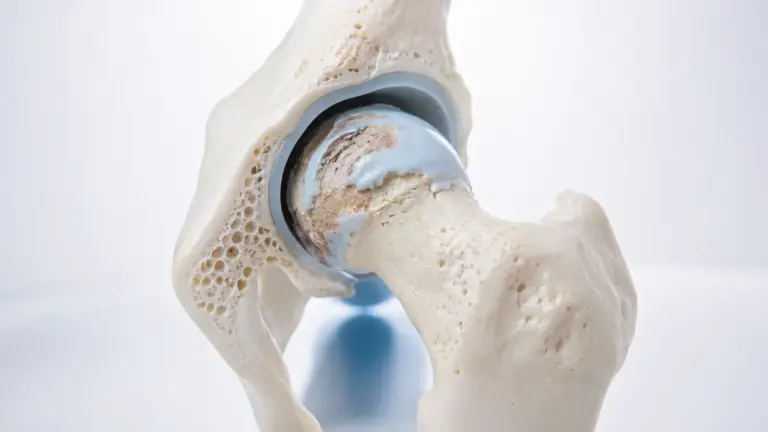
? Quick Facts from Prof. Dr. Göçer When the cartilage of the hip joint wears down over the…
More InformationHip pain is often felt in the groin, at the front and side of the thigh or even in the knee, so its source can easily be missed. Pain that increases when walking, difficulty putting on shoes or tying laces, limping and limited movement can all signal a problem in the hip joint. Prof. Dr. Hasan Göçer confirms the diagnosis with a detailed examination and imaging and plans treatment according to the patient's age, bone quality and expectations for daily life.
Hip impingement syndrome (femoroacetabular impingement) and some cartilage and labrum problems can be treated with hip arthroscopy through small incisions. Avascular necrosis, which develops when the blood supply to the femoral head is disrupted, can be managed with joint-preserving methods when caught early. In early hip osteoarthritis (coxarthrosis), exercise, weight control, medication and injections are the first step.
In advanced osteoarthritis, a total hip replacement (hip arthroplasty) is performed when pain clearly limits daily life. In early osteoarthritis caused by developmental hip dysplasia, the anatomy is different, so hip replacement in hip dysplasia requires specific experience and planning. If a previously implanted prosthesis loosens, becomes infected, dislocates or wears out, the joint is renewed with revision hip replacement.
Hip fractures, especially those caused by falls in older people with osteoporosis, need prompt treatment. Depending on the type of fracture, it is fixed or a prosthesis is implanted. The aim is to get the patient back on their feet as soon as possible and to prevent complications of being bedbound.
At the consultation, your symptoms are discussed and hip movements are assessed; an X-ray, MRI or CT scan is requested if needed. The treatment plan is decided together with you. If surgery is needed, the preparation, the hospital stay and the physiotherapy afterwards are explained in detail. You can find detailed information on each treatment in the headings on this page and book an appointment for an evaluation.