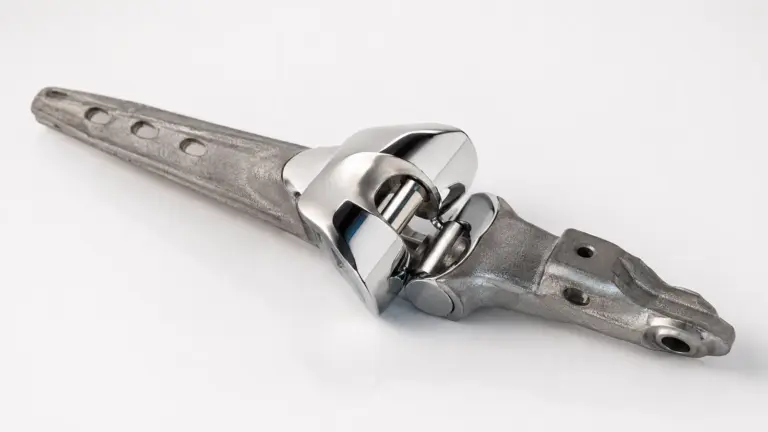
? Quick Facts from Prof. Dr. Göçer When the elbow joint is severely damaged, even the simplest daily…
More Information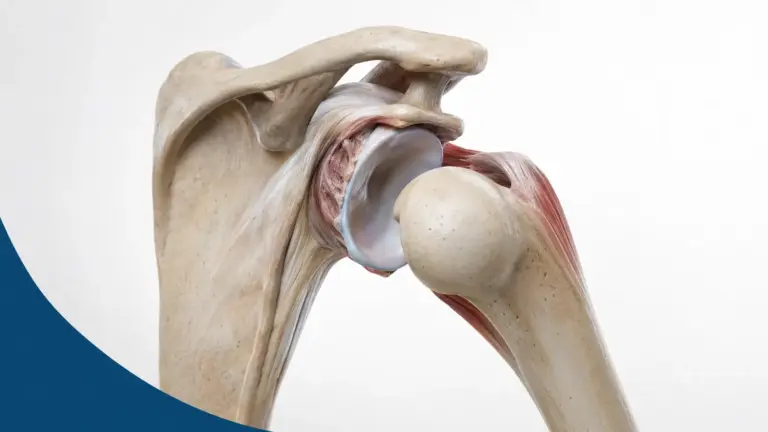
? Quick Facts from Prof. Dr. Göçer Shoulder dislocation is the most common type of joint dislocation in…
More Information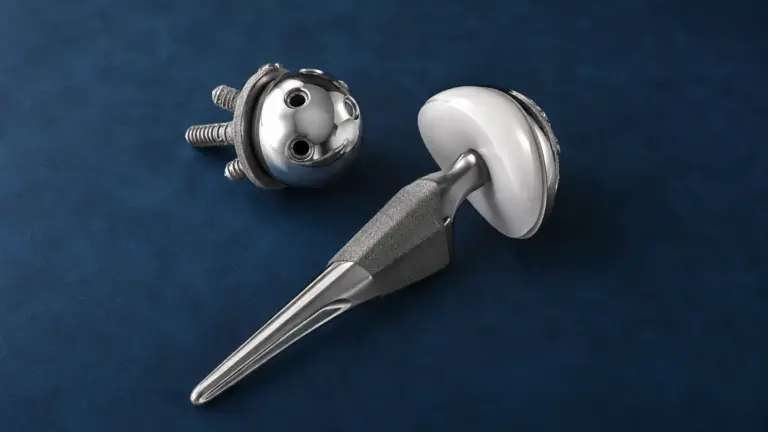
? Quick Facts from Prof. Dr. Göçer Total shoulder replacement surgery takes an average of 1.5–2 hours. Hospital…
More Information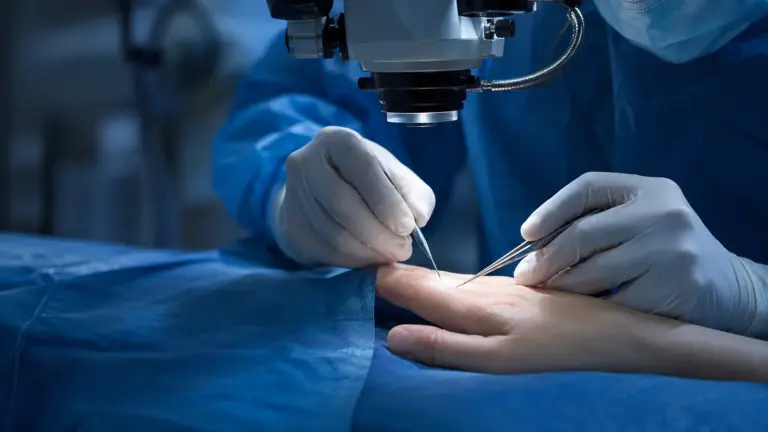
? Quick Facts from Prof. Dr. Göçer Hand surgery involves injuries to the bones, tendons, nerves, and blood…
More InformationGeneral orthopedics and traumatology covers the diagnosis and treatment of injuries and diseases of the bones, joints, muscles, tendons and nerves. This section focuses on the upper limb: the shoulder, elbow, hand and wrist. Prof. Dr. Hasan Göçer identifies the cause of pain and limited movement with an examination and imaging and plans treatment according to the patient's work, sport and daily needs.
The shoulder has the widest range of motion of any joint in the body, which is why it is the joint that dislocates most often. After a first dislocation, the joint is put back in place and a period of rest followed by physiotherapy is planned. For recurrent dislocations, especially in young and active patients, shoulder stabilization surgery is considered. In advanced osteoarthritis, irreparable rotator cuff tears or complex fractures, a shoulder replacement aims to relieve pain and restore arm movement.
In advanced elbow osteoarthritis, rheumatoid arthritis or elbow fractures that cannot be repaired, the damaged joint can be replaced with an artificial one. This operation aims to give a pain-free, functional elbow to patients who struggle with everyday tasks.
Fractures of the hand and wrist, tendon and nerve injuries, nerve compression and masses in the hand are treated by hand surgery. Injuries that require repair of blood vessels and nerves are treated with microsurgery performed under a microscope. Because fine hand movements are so important in daily life, preserving function is the priority of treatment.
At the consultation, you are asked when and how the problem started, and joint movement and muscle strength are assessed; an X-ray, MRI or nerve conduction tests are requested if needed. Non-surgical options are always considered first. If surgery is needed, the procedure and recovery period are explained in detail. You can find detailed information on each treatment in the headings on this page and book an appointment for an evaluation.