? Quick Facts from Prof. Dr. Göçer
- Hip arthroscopy surgery takes an average of 1–2 hours.
- The procedure is performed through 2–3 small portals (entry points).
- Most patients are discharged on the day of surgery or the following day.
- According to TOTBİD guidelines, the recovery period ranges from 6 to 12 weeks.
Femoroacetabular impingement, labral tears, or cartilage damage in the hip joint require further evaluation when conservative treatments prove insufficient. Hip arthroscopy, is a minimally invasive procedure in which the hip joint is examined and repaired through small incisions using a camera and specialized surgical instruments.
What Is Hip Arthroscopy?
Hip arthroscopy is is a surgical method based on visualizing the hip joint through a thin camera (arthroscope) inserted into the joint and, if necessary, performing repairs during the same procedure. Since smaller incisions are used compared to open surgery, soft tissue damage is limited. TOTBİD (Turkish Orthopedic and Traumatology Association) guidelines state that the procedure offers the possibility of early diagnosis and treatment, particularly in young and active patients.
Why Is Hip Arthroscopy Performed?
Hip arthroscopy is preferred for intra-articular problems identified through imaging methods that do not respond to conservative treatment. The main indications are as follows:
- Femoroacetabular impingement (FAI)
- Labrum (joint lip) tears
- Early-stage cartilage damage
- Intra-articular loose bodies
- Recurrent pain associated with hip impingement syndrome
According to Prof. Dr. Hasan Göçer, clearly identifying intra-articular pathology via MR arthrography prior to the decision to perform arthroscopy is a step that directly affects the success of the surgery.
How Is Hip Arthroscopy Performed?
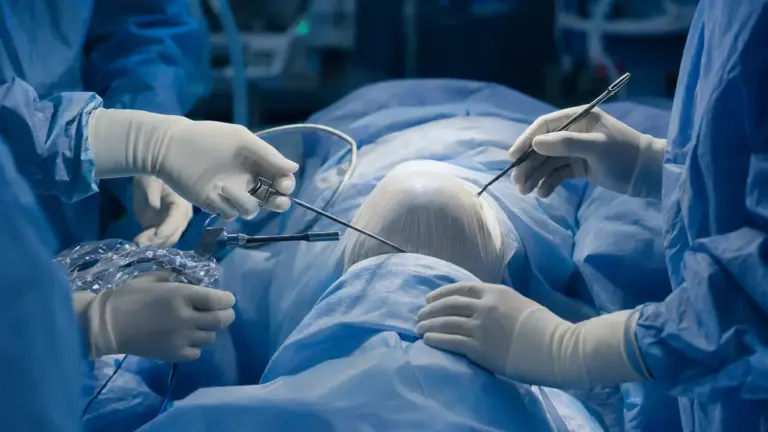
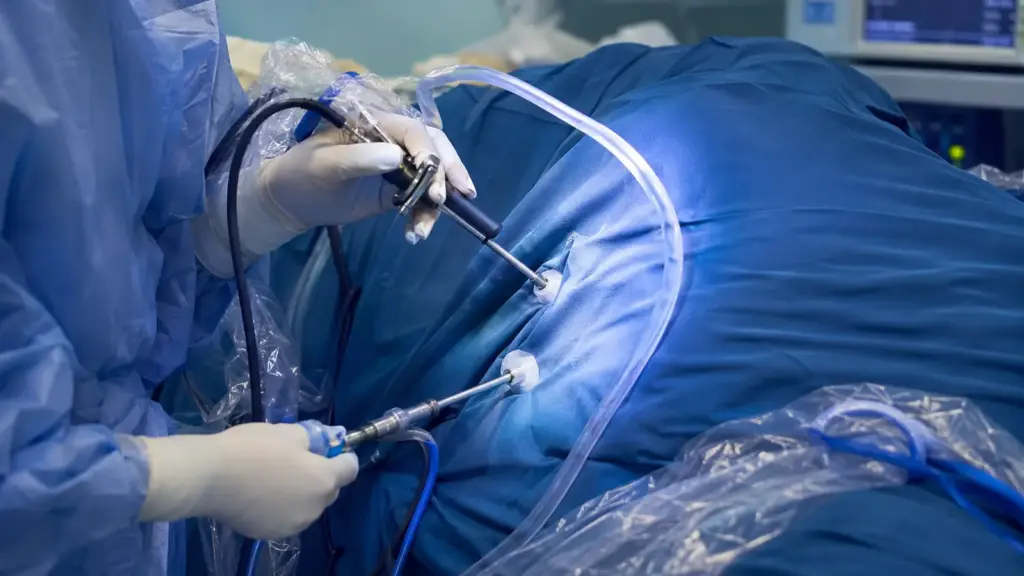
Hip arthroscopy is performed under general or regional anesthesia, with the patient positioned on a traction table. A camera and instruments are inserted into the joint through standard portals, such as the anterolateral and mid-anterior ports; labral repair, cartilage debridement, or bone reshaping can be performed during the same session.
- Intra-articular pathology is clarified using imaging (MR arthrography).
- After anesthesia, the patient is placed on the traction table.
- The portals are opened, and the camera and surgical instruments are inserted into the joint.
- Labral repair, cartilage treatment, or bone reshaping is performed.
- The portals are closed, and the surgery is concluded.
Post-Hip Arthroscopy Surgery
In the first few days after surgery, the use of crutches and limited weight-bearing are recommended. A physical therapy program is typically started within the first week, with the goal of gradually regaining muscle strength and joint range of motion.
Risks of Hip Arthroscopy
Risks of hip arthroscopy include temporary nerve compression (due to traction), infection, joint stiffness, and, rarely, vascular or nerve injury. An experienced surgical team and appropriate patient selection significantly reduce these risks. Hip arthroscopy is currently performed by experienced orthopedic teams both in private clinics and in public hospitals that offer hip arthroscopy.
Clinical Assessment by Prof. Dr. Hasan Göçer
“In my clinical practice, I have observed that hip arthroscopy performed at an early stage in young and active patients offers a significant window of opportunity for preventing progressive joint damage. A delayed diagnosis can limit treatment options.”
Prof. Dr. Hasan Göçer — Orthopedic and Traumatology Specialist
This observation highlights the importance of early evaluation for young patients experiencing hip pain. Prof. Dr. Göçer emphasizes that timely diagnostic imaging and arthroscopic evaluation in his clinical practice can reduce the need for more extensive surgical interventions in the future.
About Hip Arthroscopy Costs
The cost of hip arthroscopy varies depending on the additional procedures performed (labrum repair, cartilage treatment, etc.), the type of anesthesia, and the patient’s overall health. The exact cost is determined in consultation with the clinic following an examination and imaging evaluation.
From Diagnosis to Recovery: How Does the Process Proceed?
| Stage | Time | What Happens? |
|---|---|---|
| Initial Examination | Day 1 | A physical examination is performed, the duration of symptoms is assessed, and an MRI arthrography is ordered |
| Evaluation & Planning | Weeks 1–2 | Imaging is evaluated; a decision regarding arthroscopy is made, and the portal plan is established |
| Surgery | Scheduled Day | Arthroscopic procedure lasting approximately 1–2 hours under general or regional anesthesia |
| Hospital Stay | Days 0–1 | Pain is managed; most patients are discharged the same day or the next day |
| Recovery | Weeks 6–12 | Gradual weight-bearing and return to sports with physical therapy; follow-up visits |
During the initial examination, the nature, duration, and specific movements that exacerbate the pain are thoroughly assessed. During the diagnostic phase, MRI arthrography clarifies the condition of the labrum and cartilage. On the day of surgery, the number of portals and any additional procedures to be performed are determined based on the patient’s pathology. Early mobilization is encouraged during the hospital stay. Regular participation in physical therapy during the recovery period is crucial for regaining joint function.
Frequently Asked Questions
What is arthroscopy, and for which conditions is it performed?
Arthroscopy is a minimally invasive imaging and treatment method performed by inserting a camera into the joint. It is used for hip labral tears, femoroacetabular impingement, and early-stage cartilage damage in the hip; it is also used for similar structural issues in other joints.
Why is hip arthroscopy performed?
It is performed to clarify the diagnosis and perform repair during the same session in cases of hip pathologies that do not respond to conservative treatment (rest, physical therapy, medication).
How long does hip arthroscopy surgery take?
The procedure typically lasts 1–2 hours. The duration may vary depending on the number and complexity of the structures to be repaired.
Is arthroscopy dangerous?
As with any surgical procedure, there are risks such as infection and temporary nerve compression; however, the rate of serious complications is low when performed by experienced surgeons. A personalized risk assessment is conducted during the examination.
How long does recovery take after hip arthroscopy?
A return to daily activities generally occurs within 6–12 weeks. For athletic patients, a return to full performance may take longer and depends on the physical therapy program.
Conclusion
Hip arthroscopy is an effective method that enables the diagnosis and treatment of intra-articular pathologies through small incisions. Early diagnosis is crucial for long-term joint health. You can begin the examination process to assess your specific situation regarding hip arthroscopy. Prof. Dr. Hasan Göçer evaluates each patient’s clinical presentation individually to determine the most appropriate treatment options.
Sources
- American Academy of Orthopaedic Surgeons (AAOS) — OrthoInfo, “Hip Arthroscopy” — https://orthoinfo.aaos.org/en/treatment/hip-arthroscopy/
- National Institutes of Health (NIH) — StatPearls, “Hip Arthroscopy” — https://www.ncbi.nlm.nih.gov/books/NBK538287/
- Hospital for Special Surgery (HSS) — “Hip Arthroscopy: An Overview” — https://www.hss.edu/condition-list_hip-arthroscopy.asp