? Quick Facts from Prof. Dr. Göçer
- Avascular necrosis is the death of bone cells caused by an interruption in blood flow to the bone tissue.
- The most commonly affected area is the femoral head (hip joint), and it typically occurs in people aged 30–50.
- The disease is classified into four stages; treatment in the early stages increases the chances of preserving the joint.
- If left untreated in the advanced stage, joint collapse and the need for a hip replacement may develop.
Bone tissue requires a continuous blood supply to remain healthy. Disruption of this flow for various reasons can result in bone cells being deprived of nutrients and eventually dying. Avascular necrosis is a bone disease that most commonly affects the femoral head in the hip joint; it is progressive but has a high chance of successful treatment when diagnosed early.
What Is Avascular Necrosis?
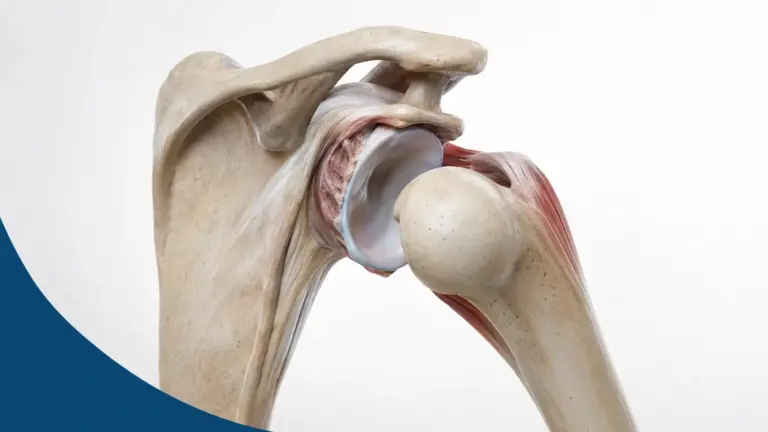
Avascular necrosis (osteonecrosis) is a condition in which the blood vessels supplying bone tissue are damaged or blocked, causing the cells in the affected bone area to die due to a lack of oxygen. Although it is most commonly seen at the head of the femur (the upper end of the hip joint), it can also occur in joints such as the knee, shoulder, and wrist. In untreated cases, the bone structure weakens, the joint surface collapses, and permanent damage may develop.
What Causes Avascular Necrosis?
There are many factors that can lead to impaired blood flow. In some cases, trauma (a fracture or dislocation) directly causes vascular damage, while in others, non-traumatic factors play a role.
- Vascular damage following a hip fracture or dislocation
- Long-term use of high-dose corticosteroids
- Excessive alcohol consumption
- Decompression sickness (pressure changes in divers)
- Blood disorders such as sickle cell anemia
- In some cases, the cause may not be clearly identified (idiopathic)
According to Prof. Dr. Hasan Göçer, the possibility of avascular necrosis must always be considered when unexplained groin pain develops in patients who have been using corticosteroids long-term or who have experienced hip trauma.
Symptoms of Avascular Necrosis
Symptoms of avascular necrosis may be nonspecific in the early stages of the disease and become more pronounced over time. Pain that begins in the groin and spreads to the thigh and hip, discomfort that worsens with weight-bearing, and limited mobility in advanced stages are the most common findings.
Stages of Avascular Necrosis
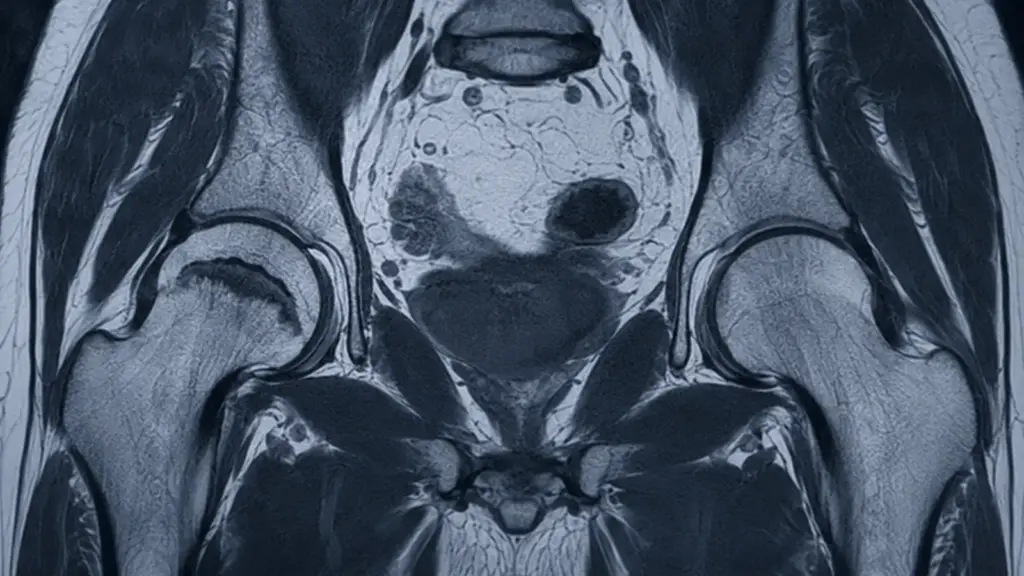
The stages of avascular necrosis are generally classified into four stages according to the Ficat-Arlet classification. In Stage 1, imaging findings are nonspecific and are detected by MRI; In Stage 2, changes in bone structure begin to appear on X-rays; in Stage 3, signs of collapse on the joint surface emerge; and in Stage 4, the articular cartilage is severely damaged and osteoarthritis has developed. An early diagnosis increases the options for joint-preserving treatment.
Treatment of Avascular Necrosis
Treatment for avascular necrosis is determined based on the stage of the disease, the size of the affected joint, and the patient’s age. While joint-preserving methods are preferred in the early stages, joint replacement may be necessary in advanced stages.
- Early stage: activity restriction, pain management, weight-bearing aids
- Intermediate stage: decompression surgery (to reduce intraosseous pressure) and bone grafting
- Advanced stage: partial or total joint replacement if the joint surface has collapsed
Avascular Necrosis Surgery
Surgery for avascular necrosis can be performed using different surgical techniques depending on the stage of the disease. In early stages, bone decompression is used to reduce intraosseous pressure and promote improved blood flow; a bone graft may also be added during this procedure if necessary. In advanced cases where the joint surface has collapsed, hip replacement surgery is considered.
Clinical Assessment by Prof. Dr. Hasan Göçer
“In my clinical practice, I have observed that the success rate of joint-preserving methods, such as core decompression, is significantly higher in patients where avascular necrosis is detected in its early stages. If diagnosis is delayed, joint collapse can become inevitable.”
Prof. Dr. Hasan Göçer — Orthopedic and Traumatology Specialist
This observation highlights the importance of early imaging in patients with risk factors. Prof. Dr. Göçer emphasizes that, in his clinical practice, early diagnosis via MRI is the most important step in protecting patients from major surgical interventions.
From Diagnosis to Recovery: How Does the Process Proceed?
| Stage | Time | What Happens? |
|---|---|---|
| Initial Examination | Day 1 | Physical examination, risk factors are assessed, X-ray/MRI is ordered |
| Evaluation & Planning | Weeks 1–2 | Staging is performed; a decision is made regarding conservative or prosthetic treatment |
| Treatment/Surgery | Varies by Stage | Decompression is performed in early stages; joint replacement is performed in advanced stages |
| Hospital Stay | Days 1–4 Days | Pain management, early mobilization, preparation for discharge |
| Recovery | Weeks 6–12 | Gradual weight-bearing with physical therapy, regular follow-up visits |
During the initial examination, risk factors (corticosteroid use, history of trauma, alcohol consumption) are thoroughly assessed. During the diagnostic phase, MRI is the most accurate method for determining the stage of the disease. Treatment selection is directly based on this staging. The length of hospital stay varies depending on the treatment method used. During the recovery period, physical therapy plays a critical role in preserving joint function.
Frequently Asked Questions
What is avascular necrosis?
Avascular necrosis is a condition caused by the death of bone cells due to impaired blood flow to the bone tissue. It most commonly affects the femoral head in the hip joint.
Can avascular necrosis be cured?
In cases diagnosed early and treated appropriately, the joint can be largely preserved. Spontaneous recovery is not expected in advanced stages; a joint replacement may become necessary.
Where does the pain from avascular necrosis occur?
The pain usually begins in the groin area; it can spread to the front of the thigh and, in some patients, as far as the hip and knee.
What are the symptoms of avascular necrosis?
Groin pain, discomfort that worsens with weight-bearing, limping, and, in advanced stages, limited joint mobility are the most common symptoms.
What helps with avascular necrosis?
In the early stages, limiting activity, using assistive devices to reduce weight-bearing, and following a treatment program under a doctor’s supervision can help slow the progression of the disease.
What helps relieve the pain of avascular necrosis?
Pain management involves a combination of medication prescribed by a doctor, load reduction, and a physical therapy program; attempting strenuous exercise on your own is not recommended.
Is avascular necrosis cancer?
No, avascular necrosis is not a type of cancer. It is the death of bone tissue due to impaired blood flow; it should not be confused with a tumorous disease.
What is the disability rating for avascular necrosis?
The disability rating varies depending on the stage of the disease, the functionality of the affected joint, and individual assessment; the exact rating is determined by an official medical board evaluation.
How is physical therapy used for avascular necrosis?
Physical therapy aims to strengthen the muscles surrounding the joint to distribute the load more evenly and maintain range of motion; it is used both during conservative treatment and in the postoperative period.
Conclusion
Avascular necrosis is a bone disease that offers a high chance of preserving the joint when diagnosed early, but can lead to severe joint damage if diagnosis is delayed. Unexplained groin pain should not be ignored in individuals with risk factors. You can begin the examination process to assess your personal situation regarding avascular necrosis. Prof. Dr. Hasan Göçer evaluates each patient’s clinical presentation individually to determine the most appropriate treatment options.
Sources
- American Academy of Orthopaedic Surgeons (AAOS) — OrthoInfo, “Osteonecrosis” — https://orthoinfo.aaos.org/en/diseases–conditions/osteonecrosis/
- National Institutes of Health (NIH) — StatPearls, “Avascular Necrosis” — https://www.ncbi.nlm.nih.gov/books/NBK537007/
- Mayo Clinic — “Avascular Necrosis (Osteonecrosis)” — https://www.mayoclinic.org/diseases-conditions/avascular-necrosis/symptoms-causes/syc-20369859